





|
Getting your Trinity Audio player ready... |
Dholavira is famous for being one of the most remarkable cities of the Harappan civilization in India. Located on Khadir Bet in Kutch, Gujarat, it is known for planned urban design, stone architecture, advanced water systems and important archaeological discoveries. Inscribed on the UNESCO World Heritage List in 2021, Dholavira gives travellers a rare opportunity to understand how an organised city functioned thousands of years ago.
| Quick Travel Guide | Details |
|---|---|
| Location | Khadir Bet, Kutch, Gujarat |
| Famous for | Harappan planning, water management, architecture, signboard and archaeological remains |
| Heritage status | UNESCO World Heritage Site since 2021 |
| Best time | October to March |
| Suggested duration | 2–3 days for Dholavira and nearby experiences |
| Stay option | Evoke Dholavira |
The Historical Importance of Dholavira
- Ancient settlement: Dholavira was occupied from around 3000 BCE to 1500 BCE, covering early, mature and late phases of Harappan history.
- Important Harappan centre: The city helps archaeologists understand the growth, development and decline of the Harappan civilisation.
- Strategic location: Its position on Khadir Bet provided access to different raw materials and supported wider trade connections, including links towards Mesopotamia and the Oman Peninsula.
- Scale and importance: UNESCO site-management documentation identifies Dholavira as the second-largest Harappan city in India after Rakhigarhi.
What Is Dholavira Famous For in Architecture?
Dholavira architecture stands out for its carefully divided and strongly fortified urban form. The city included a Castle, Bailey, Ceremonial Ground, Middle Town and Lower Town, connected through organised streets and gateways.
Dholavira also made extensive use of stone masonry. Its fortifications, planned residential divisions and carefully designed public spaces demonstrate a high level of engineering and urban organisation.
What Is Dholavira Famous For in Water Management?
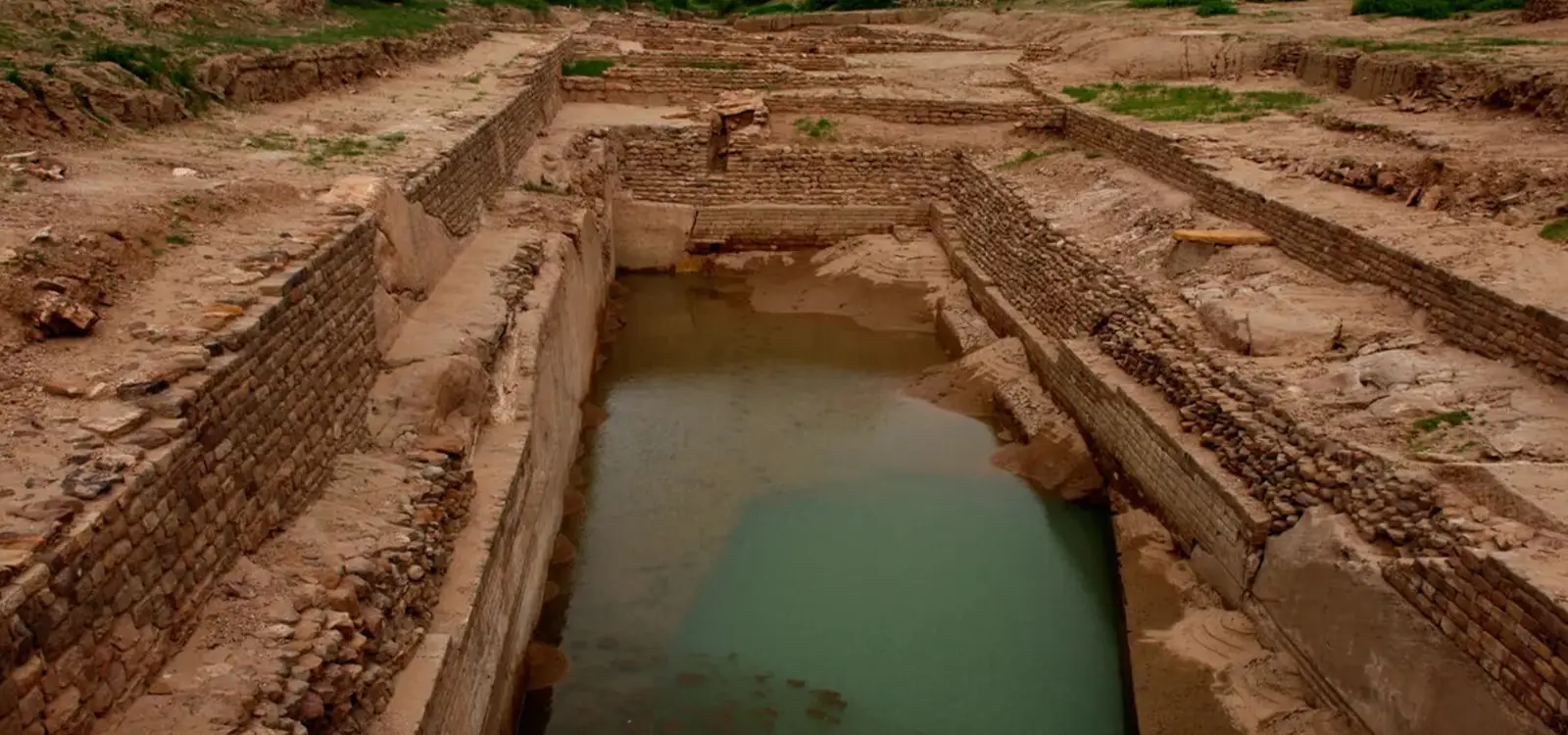
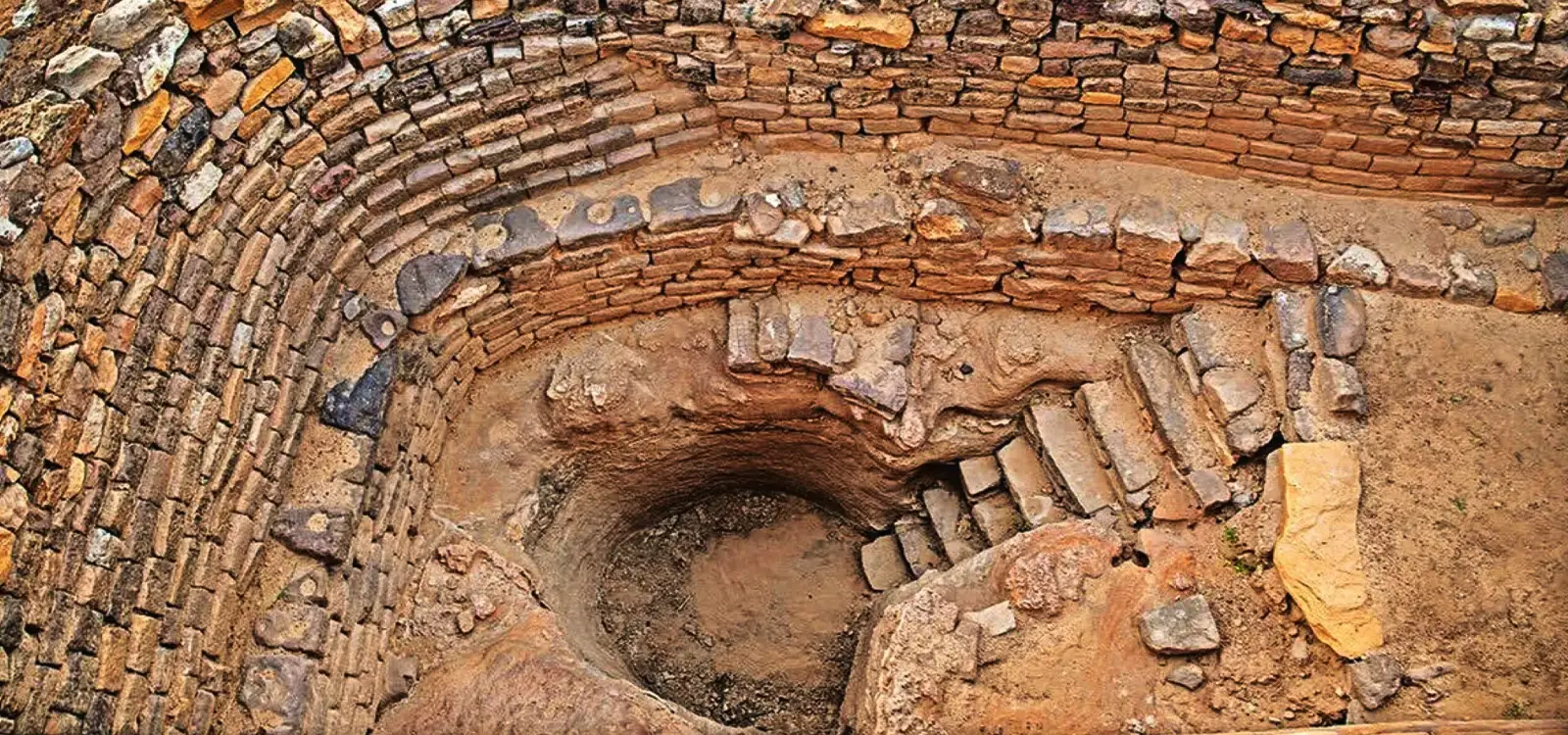
The Dholavira water management system is one of the city’s greatest achievements. In a dry landscape with limited water resources, residents developed reservoirs, wells, drains and systems for collecting seasonal runoff.
Large reservoirs were constructed around important areas of the city, while an intricate storm-water drainage network helped channel and store rainwater. This shows how intelligently Dholavira adapted to the environmental challenges of Kutch.
What Is Dholavira Famous For in Archaeological Discoveries?
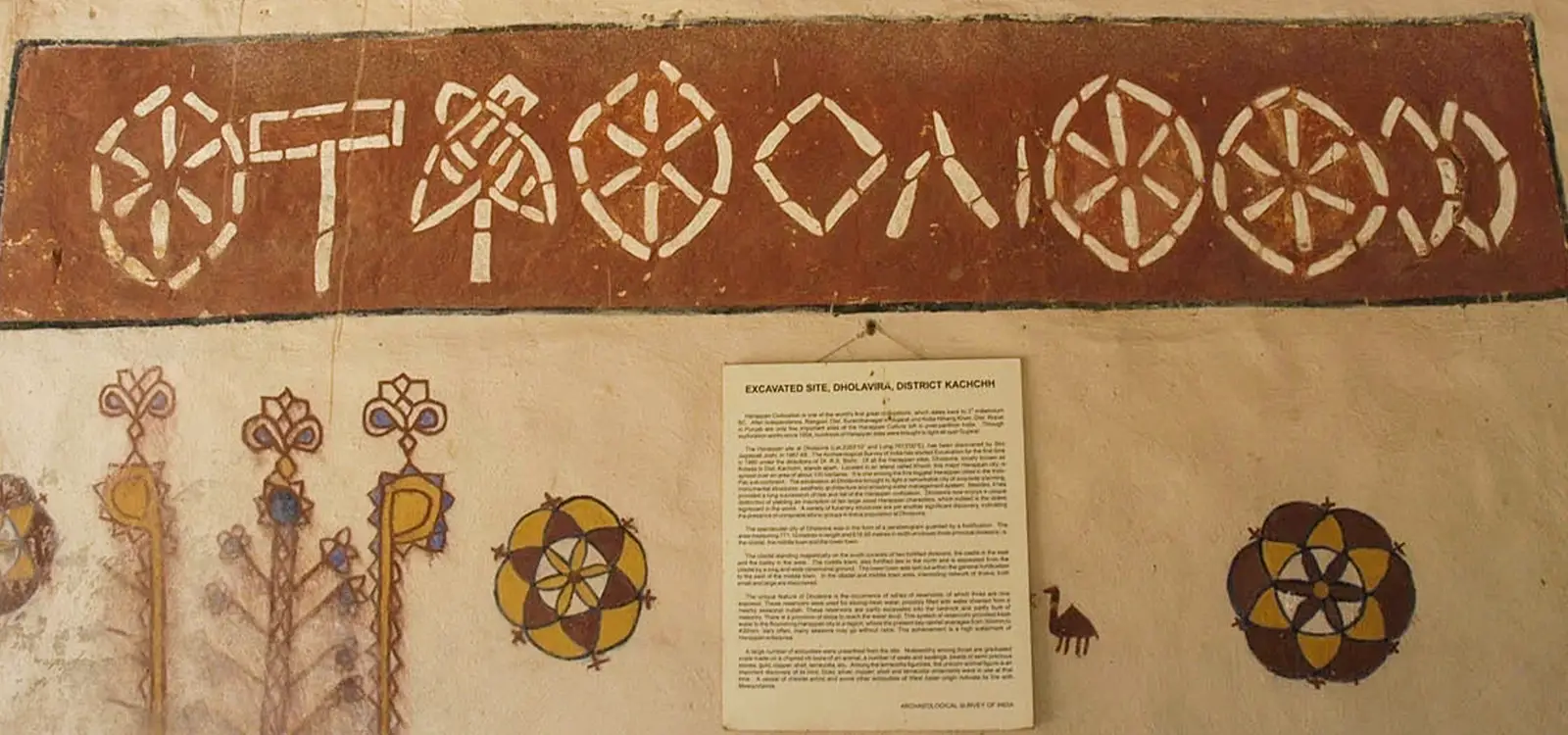
The Dholavira archaeological site, also known as the Dholavira Harappan site, has yielded beads, copper and shell objects, pottery, semi-precious stones, terracotta, gold and ivory.
One of its most fascinating discoveries is the Dholavira signboard, consisting of ten unusually large characters in the still-undeciphered Harappan script, associated with the North Gate of the Castle. The cemetery and its different types of cenotaphs also offer insights into Harappan beliefs and social practices.
Why Is Dholavira a UNESCO World Heritage Site?
UNESCO inscribed “Dholavira: a Harappan City” on the World Heritage List in 2021.
The site preserves exceptional evidence of Bronze Age urban planning, fortifications, construction techniques, water management, craftsmanship, trade and social organisation. Its preservation and historical significance make Dholavira an important UNESCO World Heritage Site in Gujarat.
What Makes Dholavira Different from Other Harappan Cities?
Among the major Harappan sites in Gujarat and the wider Indus world, Dholavira is distinctive because of its island setting, extensive stone construction, multi-part fortified layout and exceptional approach to water conservation.
Its long period of occupation also preserves evidence from different phases of Harappan civilisation, giving researchers an unusually broad picture of how the city evolved over time.
What Is Dholavira Famous For Today?
Today, Dholavira is both a major heritage destination and a gateway to the striking landscapes of Khadir Bet.
Visitors can explore the excavated city, ancient reservoirs, gateways and museum while also experiencing the White Rann, sunset views, seasonal birdlife and the surrounding Kutch landscape. The scenic journey towards Dholavira has itself become part of the destination experience.
What Is Dholavira Famous For in Modern Relevance?
Dholavira remains relevant because its approach to water harvesting, climate-responsive planning and use of available local materials offers valuable lessons even today.
Its archaeological remains continue to support research and heritage education, while responsible tourism helps introduce travellers to one of India’s most important ancient urban centres.
How to Reach Dholavira
For travellers researching how to reach Dholavira, Bhuj is a convenient gateway.
According to Evoke Dholavira’s current travel information, Bhuj Airport is approximately 127 km from the property, with the drive taking around 2.5 hours. Bhuj Railway Station is the nearest major railway station, and Evoke Dholavira lists pickup and drop facilities from Bhuj at fixed timings. Travellers from Ahmedabad can either drive towards Dholavira or connect through Bhuj.
Best Time to Visit Dholavira
October to March is generally the best time to explore Dholavira, when temperatures are more comfortable for walking around the archaeological site and discovering the surrounding Kutch landscape.
Winter is also suitable for combining heritage sightseeing with the White Rann, sunset experiences and seasonal birdlife. Summers can become extremely hot, making extended daytime exploration more difficult.
Where to Stay in Dholavira?

Travellers comparing places to stay in Dholavira can consider Evoke Dholavira for a comfortable stay close to the heritage landscape.
Located near the UNESCO site and site museum, Evoke Dholavira features 44 aesthetically appointed cottages, along with a restaurant, banquet hall and clubhouse. For travellers searching for a Dholavira tourism resort or a Luxury Resort in Dholavira, the property offers a convenient base for combining archaeology, nature and relaxation.
Conclusion
So, what is Dholavira famous for? Its importance goes far beyond ancient ruins. Dholavira represents sophisticated Harappan architecture, intelligent water conservation, craftsmanship, trade and urban organisation that continue to impress thousands of years later.
Plan enough time to explore both the archaeological site and the landscapes of Khadir Bet, and make your stay part of the destination experience at Evoke Dholavira.
FAQs – Your Questions Answered
Dholavira is famous for its Harappan city planning, stone architecture, reservoirs, drainage systems, archaeological discoveries and ten-character signboard.
Dholavira was an important Harappan urban centre whose remains document city planning, craftsmanship, trade, social organisation and adaptation to a dry environment.
The Harappan or Indus Valley Civilization is the earliest major urban civilisation prominently represented archaeologically in Kutch, with Dholavira being one of its most important settlements.
Dholavira is identified in UNESCO's site-management documentation as the second-largest Harappan city in India, after Rakhigarhi.
Dholavira received UNESCO recognition for its exceptional testimony to Harappan civilisation and its outstanding urban planning, fortifications, architecture and water-management systems.
Families can consider Evoke Dholavira, which offers 44 cottages, on-site dining and convenient access to heritage and nature-based experiences around Dholavira.
October to March is generally the most comfortable time for sightseeing and outdoor exploration.
Yes. Evoke Dholavira has an on-site Indus Multicuisine Restaurant, making dining convenient for staying guests.
First-time visitors can prioritise the Dholavira archaeological site and museum, White Rann near Dholavira, Wood Fossil Park, Sunset Viewpoint and seasonal flamingo-watching experiences.