





DHOLAVIRA
A UNESCO-recognised Testament to Ancient Urbanisation
Dholavira is one of the most prominent archaeological sites representing the Harappan Civilisation, also known as the Indus Valley Civilisation. The Civilisation thrived around 4500 years ago and was one of the world's three earliest urban civilisations, alongside those in Mesopotamia and Egypt. In 2021, UNESCO conferred Dholavira the status of a World Heritage Site, giving Gujarat the pride of having four World Heritage Sites.

Background

History
An Oasis in the Great Rann of Kutch
Dholavira, locally known as Kotada (meaning - A Large Fort), sprawls over 100 hectares of semi-arid land on the northwest corner of Khadir island. The island is one of the few in the Great Rann of Kutch that remains above the floodplains during the monsoon season.

ROUTE TO DHOLAVIRA
Beyond Beautiful
The journey to Dholavira is surreal, taking you through the saline desert plains of the Great Rann, where you can see chinkara, gazelle, nilgai (blue bull, the largest antelope in Asia), flamingos, and other avian life.
LEGACY
Harappan Civilisation
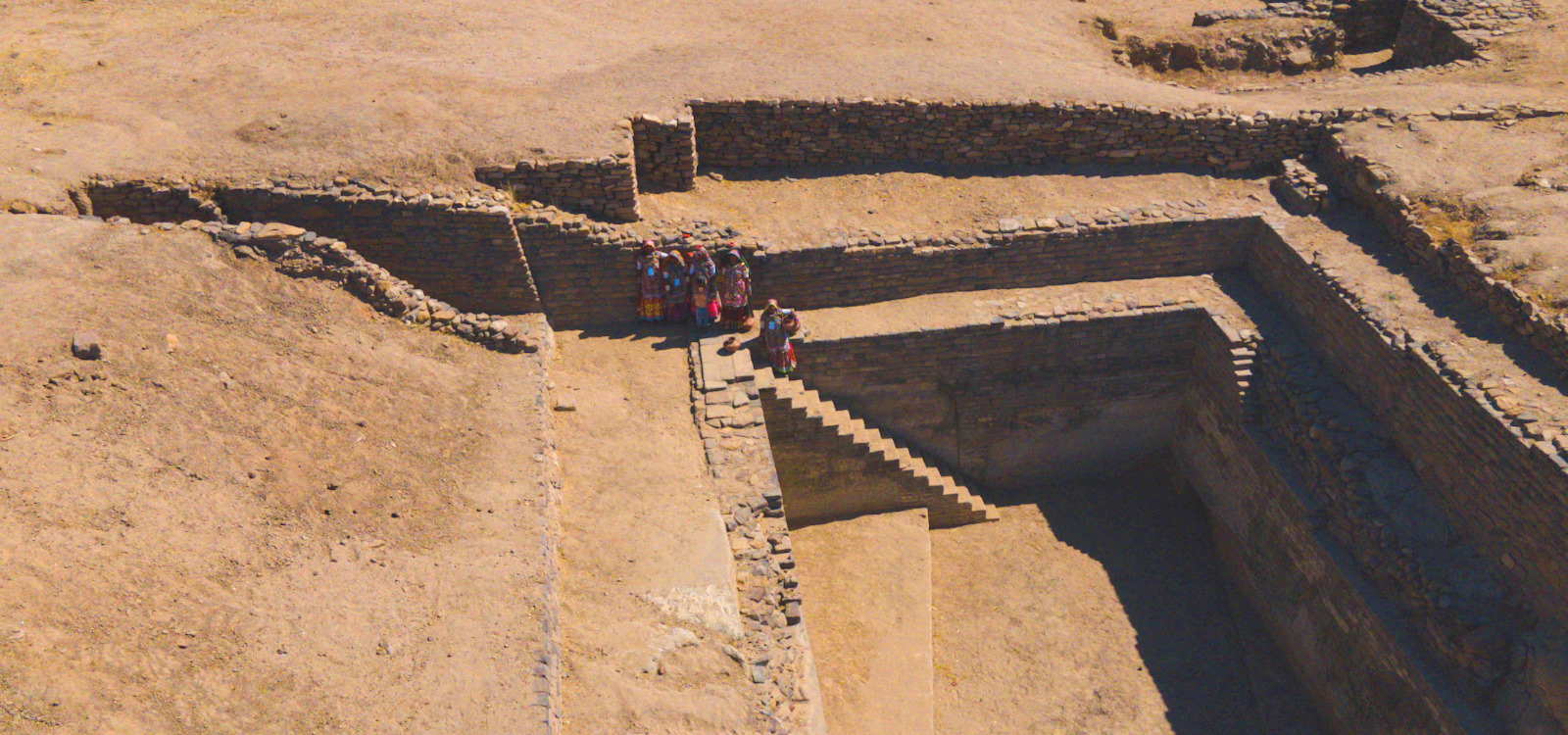
Dholavira is one of the two largest Harappan sites in India and 5th largest in Asia. It is known to have passed through all stages of the Harappan culture from circa 2900 BC to 1500 BC. It exhibits all the remarkable features of the Harappan Civilisation, such as well-planned urban settlement, water conservation system, and architectural brilliance. The city's planning, residential areas, fortified walls, and hydraulic structures reflect an advanced civilisation that was innovative and way ahead of its time.
Highlights

FINDINGS
The Harappan Marvels
The site was unearthed by the Archeological Survey of India (ASI) in 1967 but has been systematically excavated only since 1990. Archaeological excavations at the Dholavira have revealed impressive structures, artefacts, and inscriptions that are a testament to the past. Some of the significant findings include:

FINDINGS
Citadel
A Citadel in the centre with a middle and lower town, each fortified separately, built with sun-dried brick and stone masonry with advanced drainage and water management systems. A large stadium with a complex structure and seating arrangement is also present.

FINDINGS
Artefacts
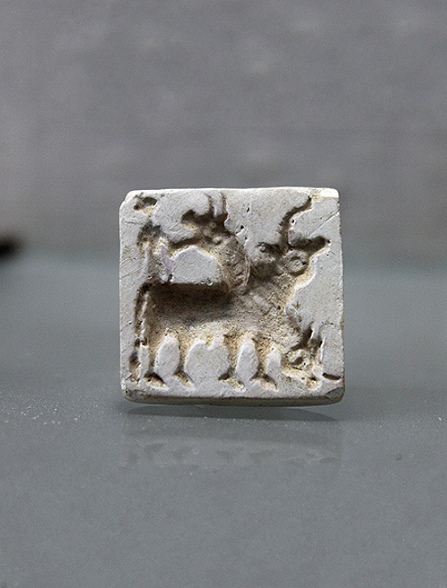
Terracotta pottery, beads, gold and copper objects, seals, ornaments, seals, fish hooks, animal figurines, tools, urns, and some imported vessels, indicating trade links with lands as far away as Mesopotamia.
FINDINGS
Stone Inscriptions
A famous signboard with ten large stone inscriptions, carved in ancient Indus script. It is among the most important discoveries about the Indus Valley Civilization, but the inscriptions remain undeciphered.
FINDINGS
Water Conservation System
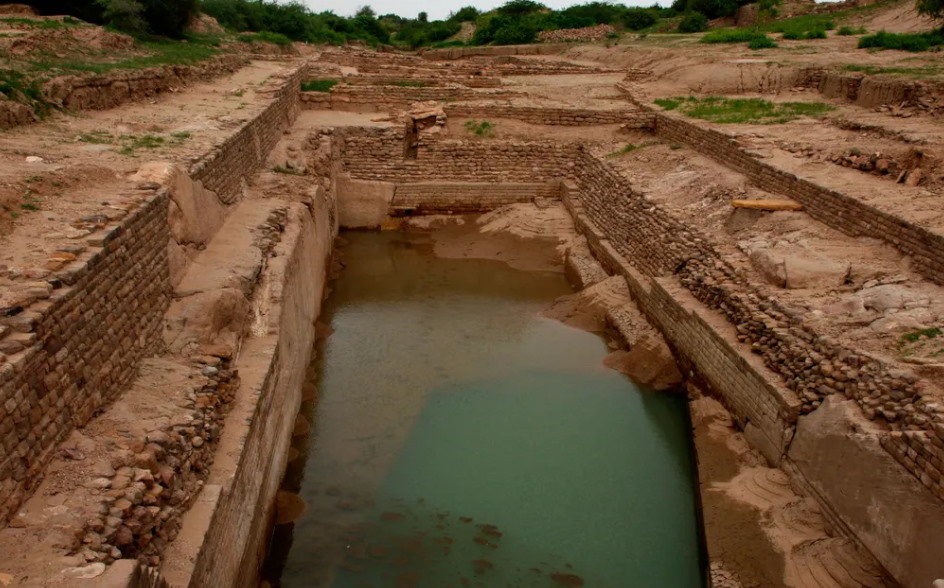
Dholavira has one of the world’s earliest water conservation systems ever excavated. Satellite pictures show a reservoir underground, an expertly constructed rainwater harvesting system extending from the walls, without which the settlement would not have thrived in the sparse rainfall of the desert.
Protohistory
PRESERVED HERITAGE
History-seekers just love Dholavira
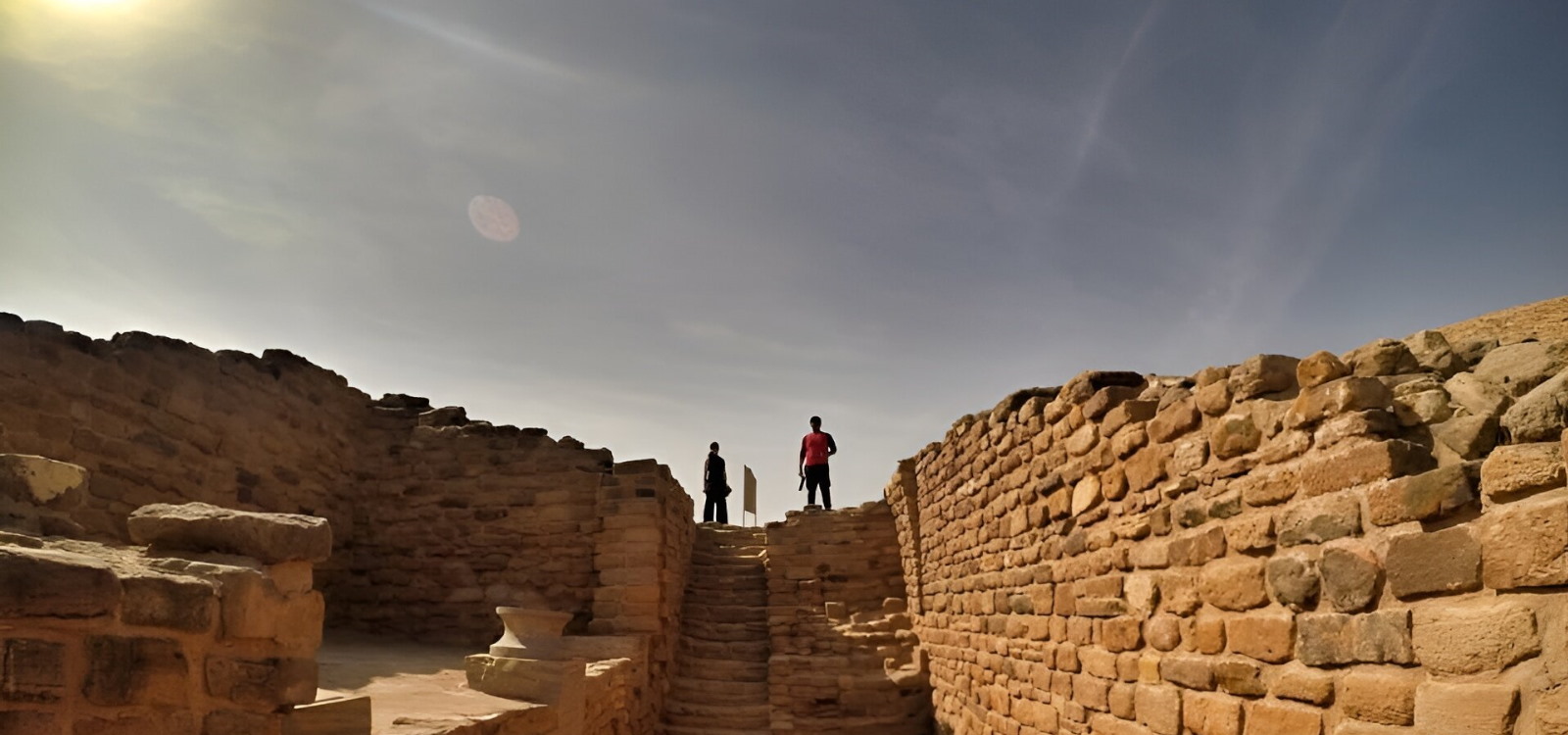
Dholavira is not just an archaeological marvel but a living history lesson. It is like going on a journey through time, where every stone has a story to tell and the secrets of an age gone by. It is a treasure trove for historians, archaeologists, and anyone interested in the richness of human history. Below are some of the things why history seekers just love Dholavira:

HISTORICAL OFFERING
Ancient Civilization
Dholavira offers unparalleled insights into the Indus Valley civilization's life, culture, and technological advancements.

HISTORICAL OFFERING
Architectural Brilliance
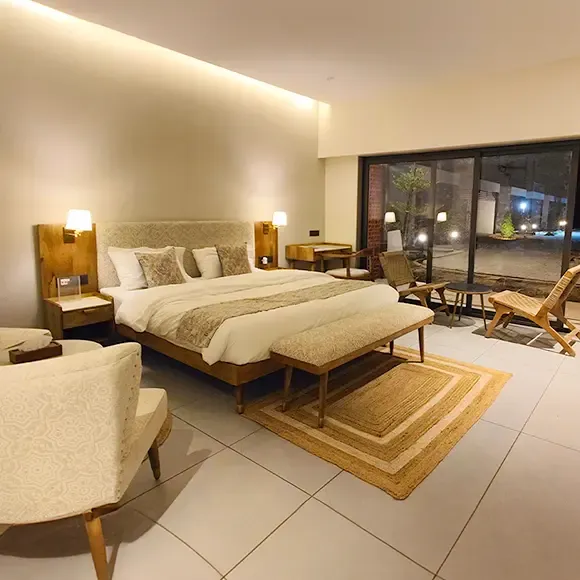
Positioned to ensure utmost comfort, the cottages at Evoke Dholavira offer a beautiful space, decorated with luxurious furnishings.

HISTORICAL OFFERING
Cultural Significance
Dholavira is a symbol of India's rich heritage and an essential location for archaeological research.
Source: Collectively from the Archaeological Survey of India, UNESCO World Heritage Centre, and Gujarat Tourism
Book your exploration today
Navigate to Explore our Premium Luxury

Property

Packages
Accommodation

Experience

Special Dates
