




|
Getting your Trinity Audio player ready... |
When the Hon’ble President of India visits a heritage site, it becomes a moment of national significance. In February 2025, Droupadi Murmu visited Dholavira, drawing the country’s attention to one of India’s most extraordinary ancient cities. The presidential visit to Dholavira was more than a formal tour, it was a powerful acknowledgement of India’s deep civilisational roots and the global importance of this dholavira unesco world heritage site.
Located amid the stark beauty of the Rann of Kutch, Dholavira stands as a timeless reminder of human ingenuity, sustainability, and thoughtful urban living and values that remain relevant even today.
Overview of Dholavira
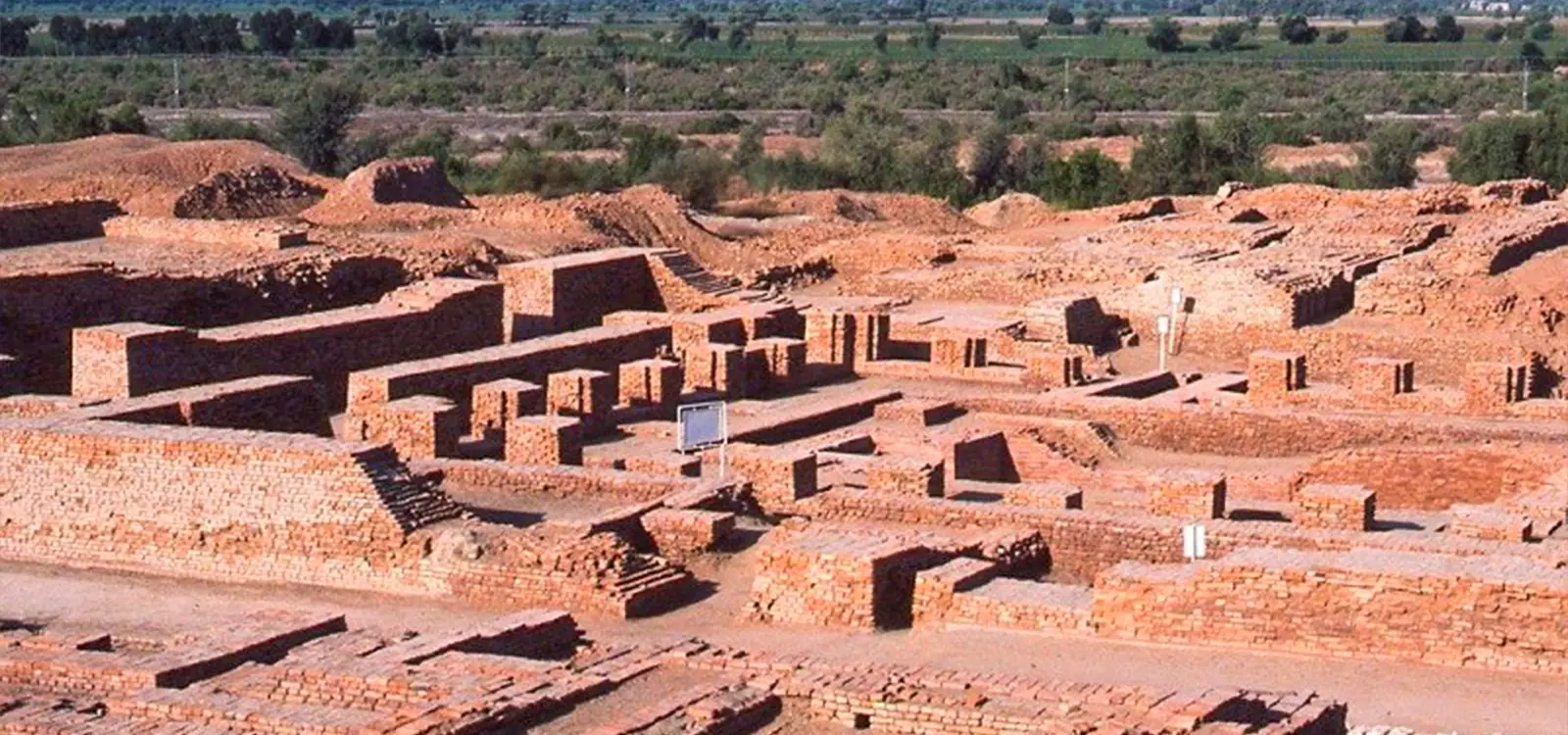
Dholavira is among the most prominent cities of the Indus Valley Civilization, dating back over 4,500 years. Known widely as the dholavira harappan site, it is situated on Khadir Bet island in Gujarat.
What sets Dholavira apart is its remarkable city layout, massive stone-built structures, and one of the world’s earliest and most advanced water conservation systems. The city was carefully designed to survive in a harsh, semi-arid environment, an achievement that continues to amaze archaeologists and visitors alike.
Significance of Dholavira as a UNESCO World Heritage Site
In 2021, Dholavira earned international recognition when it was declared a UNESCO World Heritage Site. This honour placed it among the most important unesco sites in India, celebrated for their universal cultural value.
Dholavira is unique because it preserves all stages of Harappan civilization, from early development to decline. Its fortified citadel, ceremonial grounds, reservoirs, and rare inscriptions highlight an advanced society that mastered architecture, governance, and environmental balance long before modern technology.
Highlights of the Presidential Visit (February 2025)
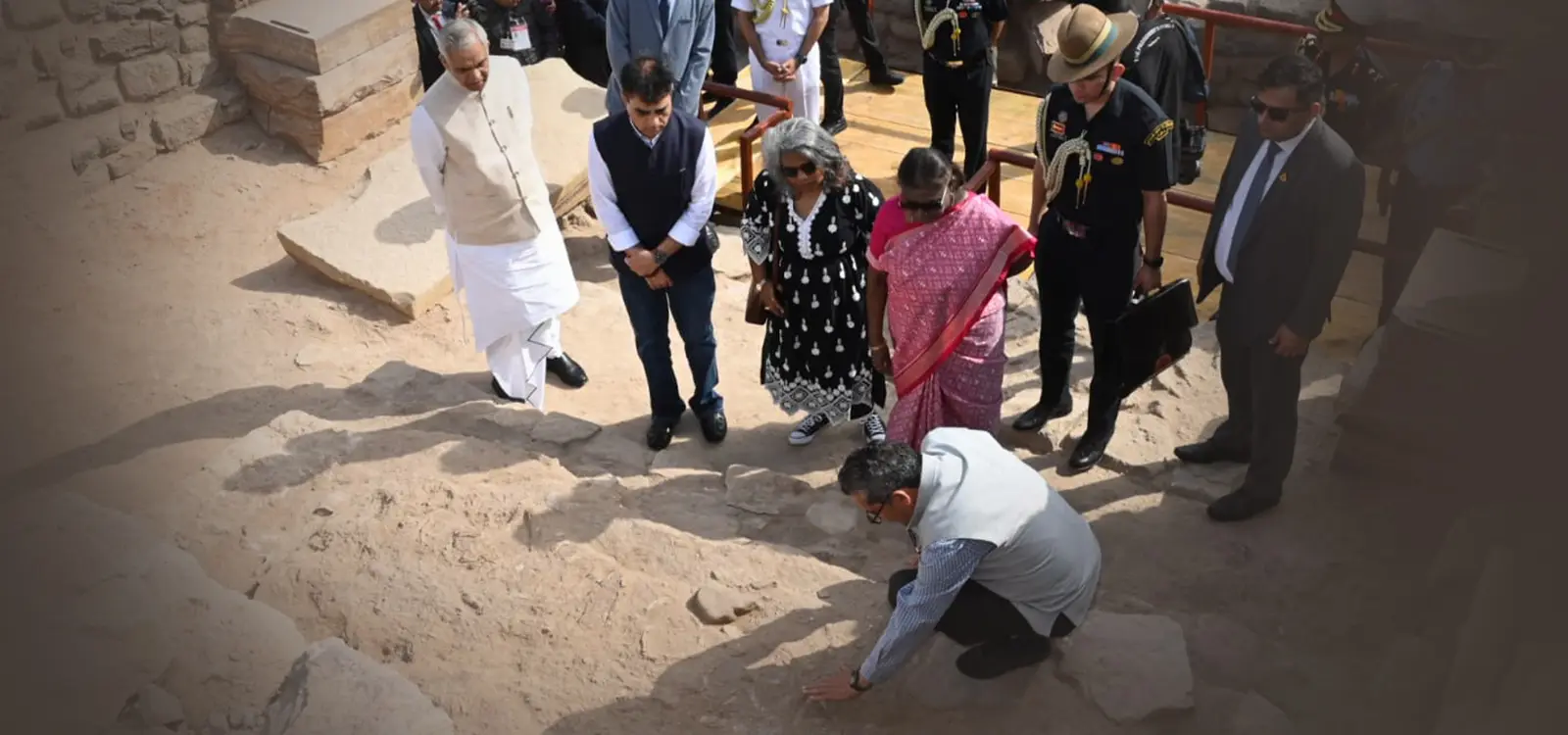
The presidential visit to Dholavira in February 2025 marked a proud moment for Gujarat and the nation. During her visit, President Droupadi Murmu explored key sections of the site, including the citadel area and the iconic water reservoirs.
The visit symbolised national respect for India’s ancient heritage and underscored the importance of preserving archaeological treasures. It also sent a clear message about promoting responsible cultural tourism, encouraging Indians and global travellers alike to engage with history meaningfully.
Historical Importance of Dholavira
The history of Dholavira reveals a civilization that was far ahead of its time. Established around 2900 BCE, the city flourished for centuries despite changing climate conditions.
One of its greatest achievements was its sophisticated rainwater harvesting system, an interconnected network of reservoirs and channels that ensured water security. Archaeological discoveries also include stone architecture, marketplaces, and one of the longest known inscriptions of the Harappan script, confirming Dholavira’s role as a major cultural and economic centre.
Dholavira in Gujarat’s Archaeological Landscape
Gujarat is home to several ancient sites, but Dholavira stands at the forefront of archaeological sites in Gujarat. It represents the most complete and well-preserved Harappan city in India.
Its prominence also strengthens Gujarat’s contribution to the wider list of archaeological sites in india, offering rare insights into early urban planning, trade networks, and social organisation.
Impact of the Presidential Visit
The President’s visit has created a lasting impact:
- Increased national and international awareness.
- Boost to heritage and educational tourism.
- Renewed focus on conservation and site management.
- Greater interest among travellers in lesser-known historic destinations.
For visitors, this visit adds reassurance that Dholavira is not only historically significant but also nationally cherished.
Travel Tips for Visitors
If you plan to explore the dholavira unesco world heritage site, consider these tips:
- Best time to visit: October to March.
- Wear comfortable footwear and carry sun protection.
- Allocate at least half a day to explore the ruins.
- Choose accommodations that respect the region’s ecology and heritage.
Staying near the site allows you to experience Dholavira calmly, early mornings and quiet sunsets reveal its true magic.
Conclusion
The visit of President Droupadi Murmu to Dholavira in February 2025 was a defining moment for India’s cultural heritage. It reaffirmed Dholavira’s place among the most valuable unesco sites in India and highlighted the timeless wisdom of the Harappan civilisation.
Today, Dholavira invites travellers to walk through history, where stone walls whisper stories of innovation, resilience, and harmony with nature. With growing recognition and mindful tourism, this ancient city continues to inspire generations to come.
FAQs – Your Questions Answered
Dholavira is located on Khadir Bet island in the Great Rann of Kutch, Gujarat.
It showcases complete Harappan urban planning and advanced water management systems.
She visited the site in February 2025.
Its stone architecture, reservoirs, and large inscriptions set it apart.
The city dates back to around 2900 BCE.
Citadel ruins, water reservoirs, city walls, and ancient urban layouts.
Yes, though winter months are most comfortable for travel.
Yes, there are well-planned stay options available near the site. For a comfortable and enriching experience, you can explore Evoke Dholavira or the White Rann – The Tent City.
Stone structures, water systems, seals, beads, and inscriptions.
Dholavira is more complete in planning and better preserved within India.