




|
Getting your Trinity Audio player ready...
|
Imagine students walking through the ruins of a city that existed over 4,500 years ago. Instead of reading about history in textbooks, they can see it with their own eyes. This is exactly what makes Dholavira in Gujarat such an exciting destination for learning.
Located in the Rann of Kutch, Dholavira is one of the most remarkable archaeological discoveries connected to the ancient Indus Valley Civilization. Today, it stands as an important center for educational tourism in India, attracting schools, universities, researchers, and curious travelers.
For schools planning educational trips for students, Dholavira offers the perfect blend of history, culture, nature, and exploration. Students not only learn about ancient civilizations but also understand how people lived, built cities, and managed water thousands of years ago.
Why Dholavira Is the Perfect Educational Destination for Students
Dholavira offers a unique outdoor classroom where students can learn while exploring.
The site is recognised as a UNESCO World Heritage Site and is considered one of the largest Harappan settlements discovered in India. Visiting the dholavira harappan site helps students understand how ancient cities were carefully planned with roads, water reservoirs, and strong fortifications.
Educational visits here are not limited to history lessons. Students also learn about architecture, geography, culture, and environmental management. These experiences make Dholavira one of the most enriching educational trips for students in Gujarat.
Because of its cultural importance, the site has also become a well-known Gujarat tourist destination for families, researchers, and educational institutions.
Historical and Archaeological Importance of Dholavira
Dholavira is one of the most important archaeological sites of the Indus Valley Civilization. The ancient city flourished between 2900 BC and 1500 BC and was known for its advanced urban planning and engineering.
Unlike many other ancient settlements, Dholavira shows clear evidence of how people designed water conservation systems, built reservoirs, and planned city layouts thousands of years ago.
These discoveries help historians understand how early civilizations functioned and how they adapted to their environment.
Exploring the Indus Valley Civilization at Dholavira
Walking through the ruins of the dholavira harappan site allows students to see ancient city structures, reservoirs, gates, and living spaces.
Guided tours at the site explain how the Indus Valley Civilization managed water resources and built well-organized cities long before modern technology existed. These lessons make Dholavira a fascinating destination for educational tourism in India.
Fun Learning Activities for Everyone
Educational trips become more memorable when students learn through activities.
Schools often organize guided heritage walks where students explore the ancient ruins and learn about the history of the civilization. Some educational tours include storytelling sessions about the Indus Valley Civilization and interactive discussions about ancient life.
Photography walks, sketching historical structures, and group discussions also help students understand the significance of this historic site. These experiences make educational trips for students both informative and enjoyable.
Nature and Wildlife Adventure
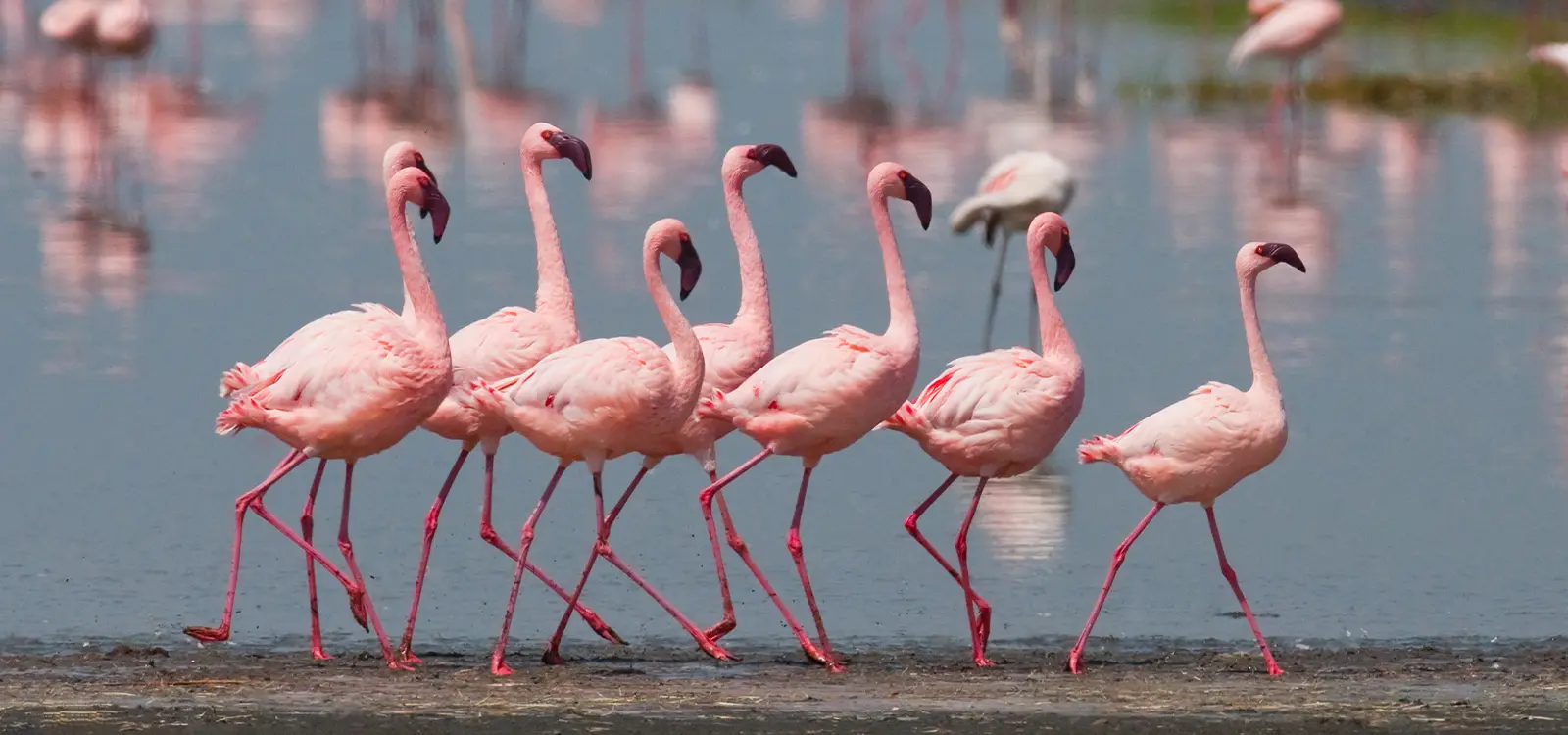
The surroundings of Dholavira add another layer of excitement to student trips. The region lies in the beautiful desert landscape of Kutch, where students can observe unique ecosystems and wildlife.
Birdwatching is popular in the nearby wetlands and desert areas, especially during winter when migratory birds arrive. The wide open landscape also provides an opportunity for students to learn about desert ecology and geography.
This combination of history and nature makes Dholavira a special Gujarat tourist destination for student groups.
Explore Local Culture and Crafts
An educational visit to Dholavira also introduces students to the vibrant culture of Kutch.
Nearby villages showcase traditional handicrafts, embroidery, and local art forms that have been practiced for generations. Students can interact with artisans and understand how local communities preserve their cultural heritage.
These cultural experiences help students appreciate the diversity and traditions that make Gujarat such a rich cultural region.
Travel Tips and Best Time to Visit Dholavira for Educational Trips
Planning a student trip requires proper preparation to ensure a safe and enjoyable experience.
Schools often book a dholavira tour package that includes guided visits, transportation, and comfortable stay arrangements.
Accommodation is available through guesthouses and resorts designed for visitors exploring the site. Many institutions prefer staying at a Evoke Dholavira tourism resort, which provides organized facilities and a peaceful environment for group travel.
Visitors can also find multiple dholavira places to stay, including comfortable dholavira accommodation options suitable for student groups.
Safety Guidelines and Planning Tips for Student Groups
Teachers and organizers should ensure students carry drinking water, sun protection, and comfortable walking shoes while exploring the site. Guided tours are recommended so that students can better understand the historical significance of the ruins.
Planning the visit with proper supervision and scheduled activities makes the trip educational and safe.
Best Season for a Comfortable Educational Tour
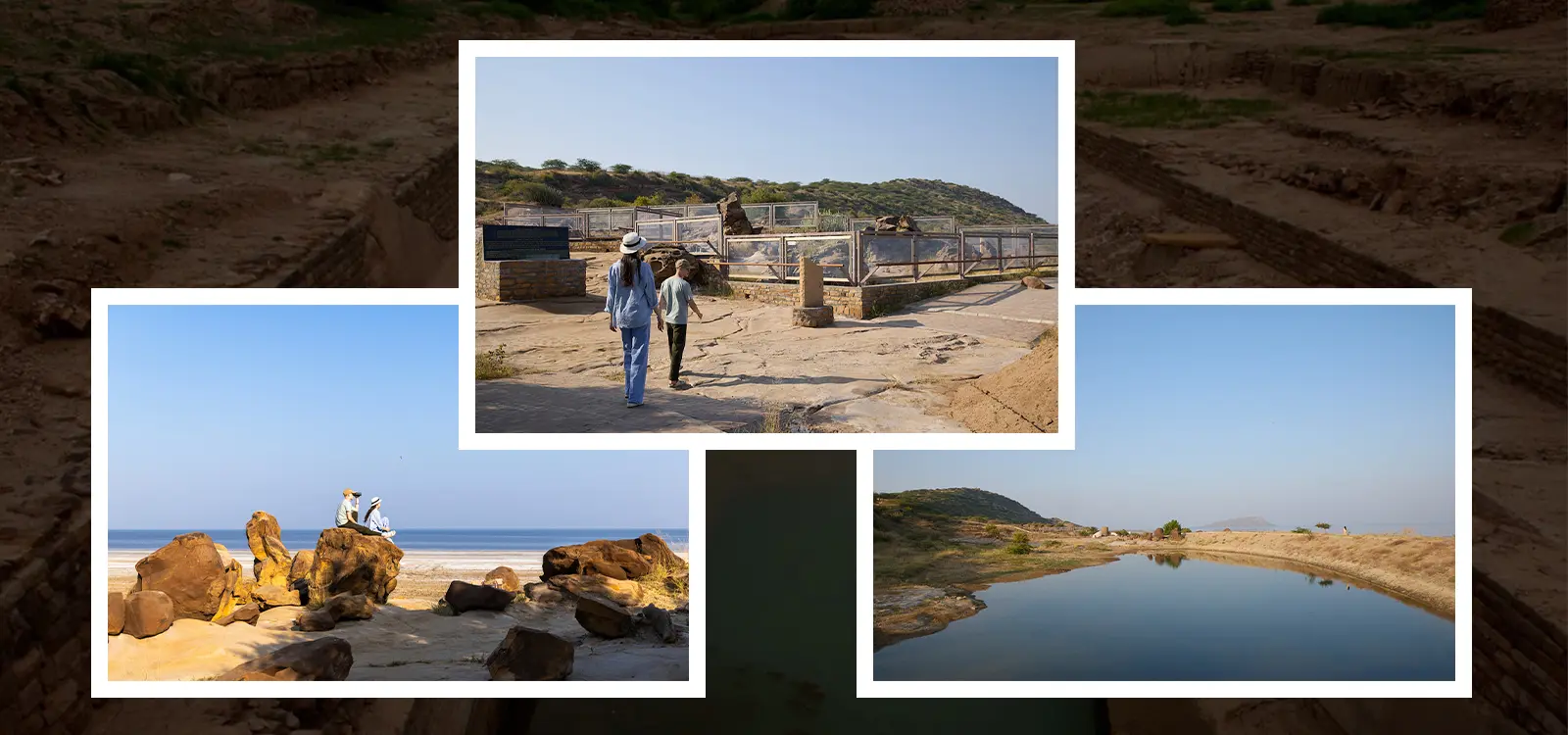
The best time to visit Dholavira is between October to March. During these months, the weather remains pleasant, making it comfortable for students to walk around and explore the archaeological site.
Winter also offers clear skies and better conditions for outdoor learning activities.
Conclusion
Dholavira offers an unforgettable learning experience for students. From exploring the ancient dholavira harappan site to understanding the fascinating story of the Indus Valley Civilization, the destination turns history into a living classroom.
With its unique mix of archaeology, nature, and cultural experiences, Dholavira stands out as a leading example of educational tourism in India.
For schools planning meaningful educational trips for students, visiting this historic gujarat tourist destination and staying at a comfortable dholavira tourism resort like Evoke Dholavira ensures a memorable and enriching journey for young learners.
FAQs – Your Questions Answered
Dholavira offers real-life learning about ancient civilizations, architecture, and water systems, making it ideal for educational trips for students.
Yes, visitors can choose from comfortable dholavira places to stay, including heritage stays and resorts, one of them is Evoke Dholavira.
Students can learn about archaeology, ancient urban planning, culture, and the history of the Indus Valley Civilization.
The best time to visit Dholavira is between October to March when the weather is pleasant.
The site is a UNESCO World Heritage Site and one of the most significant Harappan settlements in Asia.
Yes, many dholavira tour package options include guided tours designed for educational visits.
Yes, it is one of the most important destinations for educational tourism in India, especially for history and archaeology students.
Students can stay in organized dholavira accommodation options such as resorts and guesthouses suited for group travel.