





|
Getting your Trinity Audio player ready... |
The art and craft of Dholavira reveal much more than the artistic tastes of an ancient civilisation. From finely made beads and pottery to stone architecture, metal objects and the famous Dholavira signboard, archaeological discoveries show a society with specialised skills, organised production and far-reaching trade connections.
Understanding Art and Craft in Ancient Dholavira
The art and craft of Harappa and other Harappan settlements were closely connected with daily life, trade and technology. Dholavira is especially important because archaeological excavations have uncovered workshop areas and objects made from stone, shell, copper, terracotta, gold, ivory and semi-precious materials.
These discoveries suggest that crafts were not simply decorative activities. Skilled artisans produced objects for personal use, trade, ornamentation and possibly social or ceremonial purposes. UNESCO also recognises Dholavira for the evidence it preserves of manufacturing, artistic achievement and technological knowledge.
Bead Making and Jewellery at Dholavira
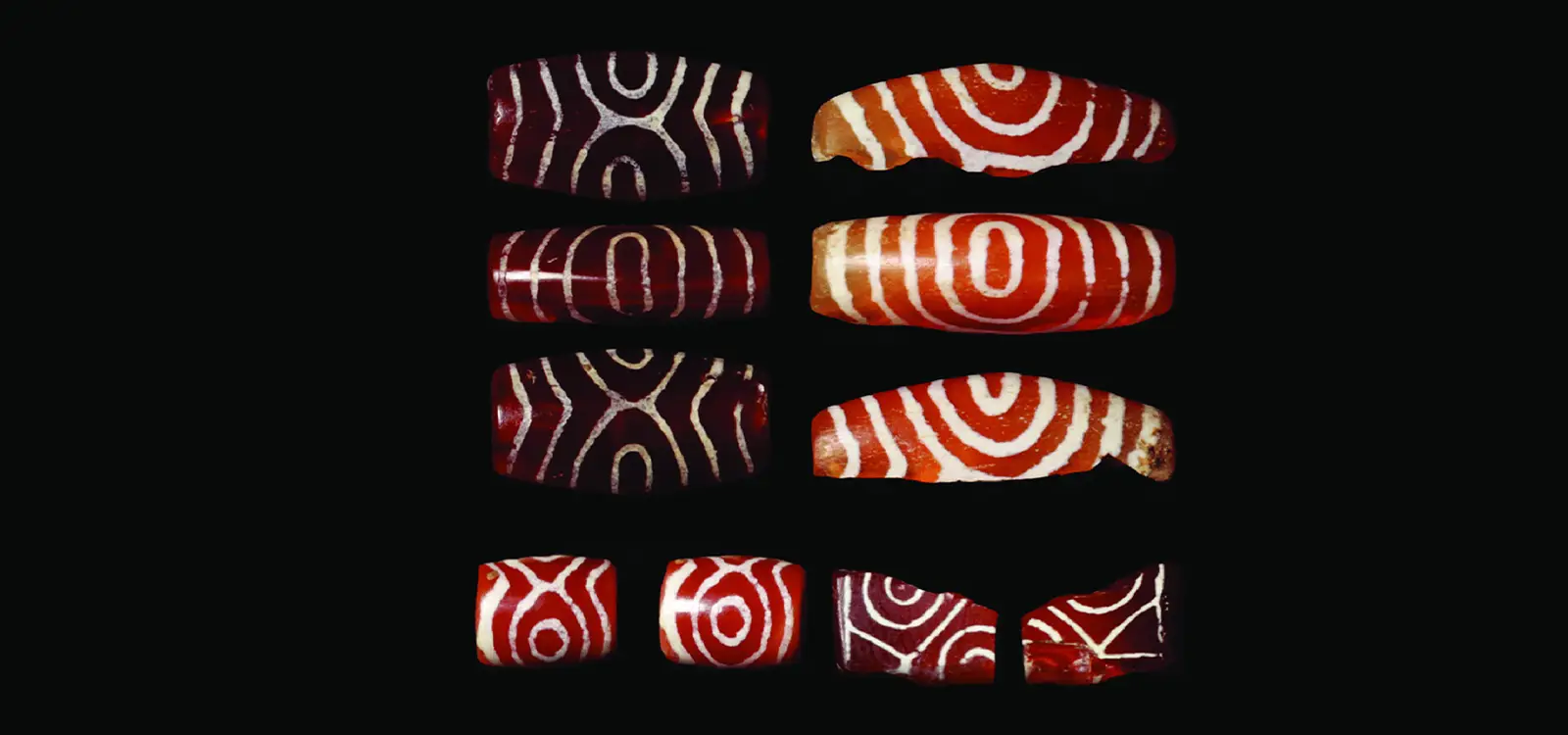
Bead production was one of Dholavira’s most notable craft industries. Archaeologists have identified multiple bead-manufacturing areas, together with specialised drill bits used to perforate hard stones such as agate and carnelian.
The variety of Harappan beads and jewellery made from semi-precious stones, shell, gold and other materials demonstrates both technical skill and an appreciation for ornamentation. The presence of dedicated workshops also suggests organised craft production rather than occasional household activity.
Pottery and Terracotta Craft
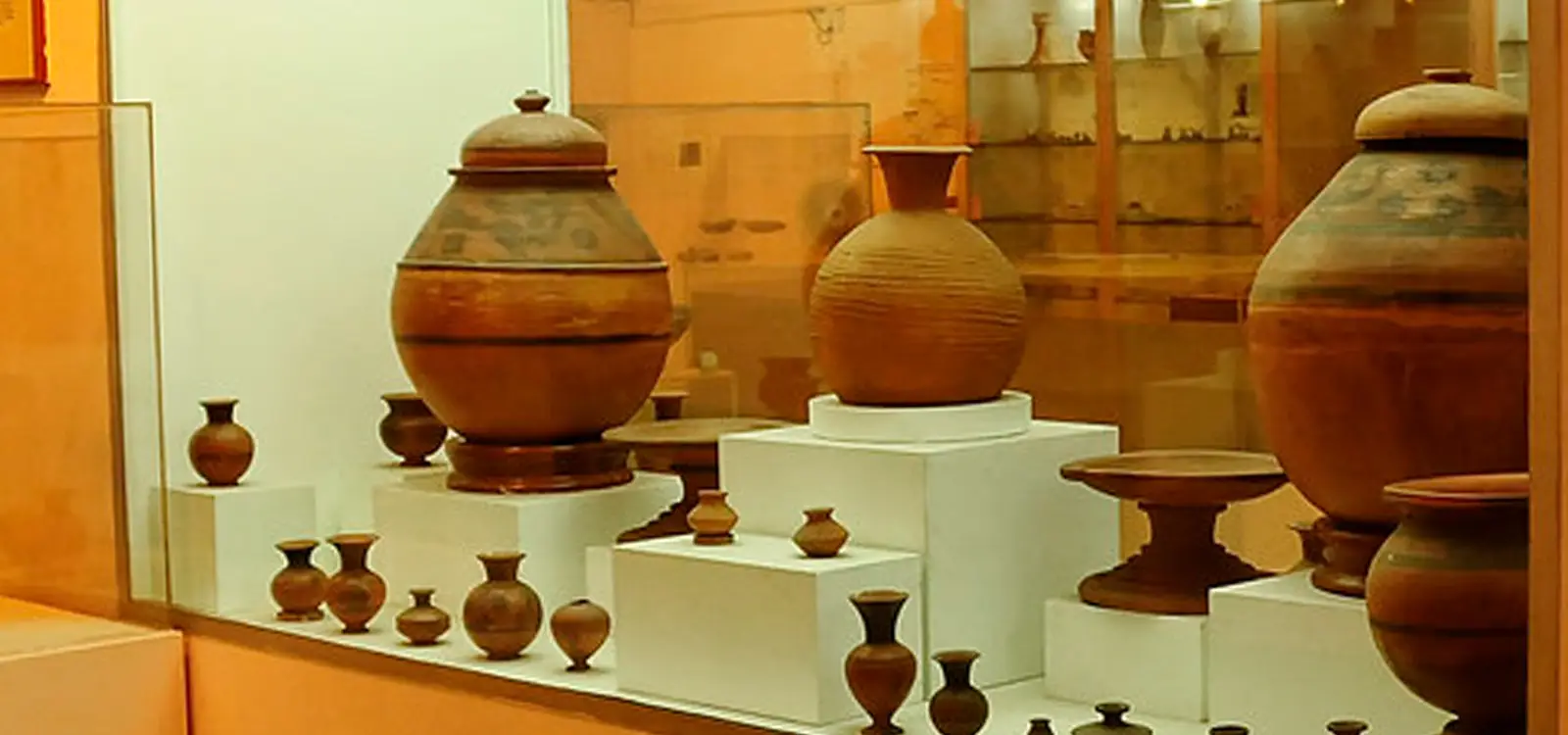
Pottery was essential to Harappan life. Excavations at Dholavira have uncovered terracotta pottery along with figurines and other clay objects. Gujarat Tourism also records pottery, urns and terracotta artefacts among discoveries from the site.
For visitors interested in Indus Valley Pottery, these objects offer clues about storage, cooking, domestic routines and artistic expression. Pottery is particularly valuable to archaeologists because changing forms and styles can help them study different stages of a settlement’s occupation.
Stone Craftsmanship and Architecture
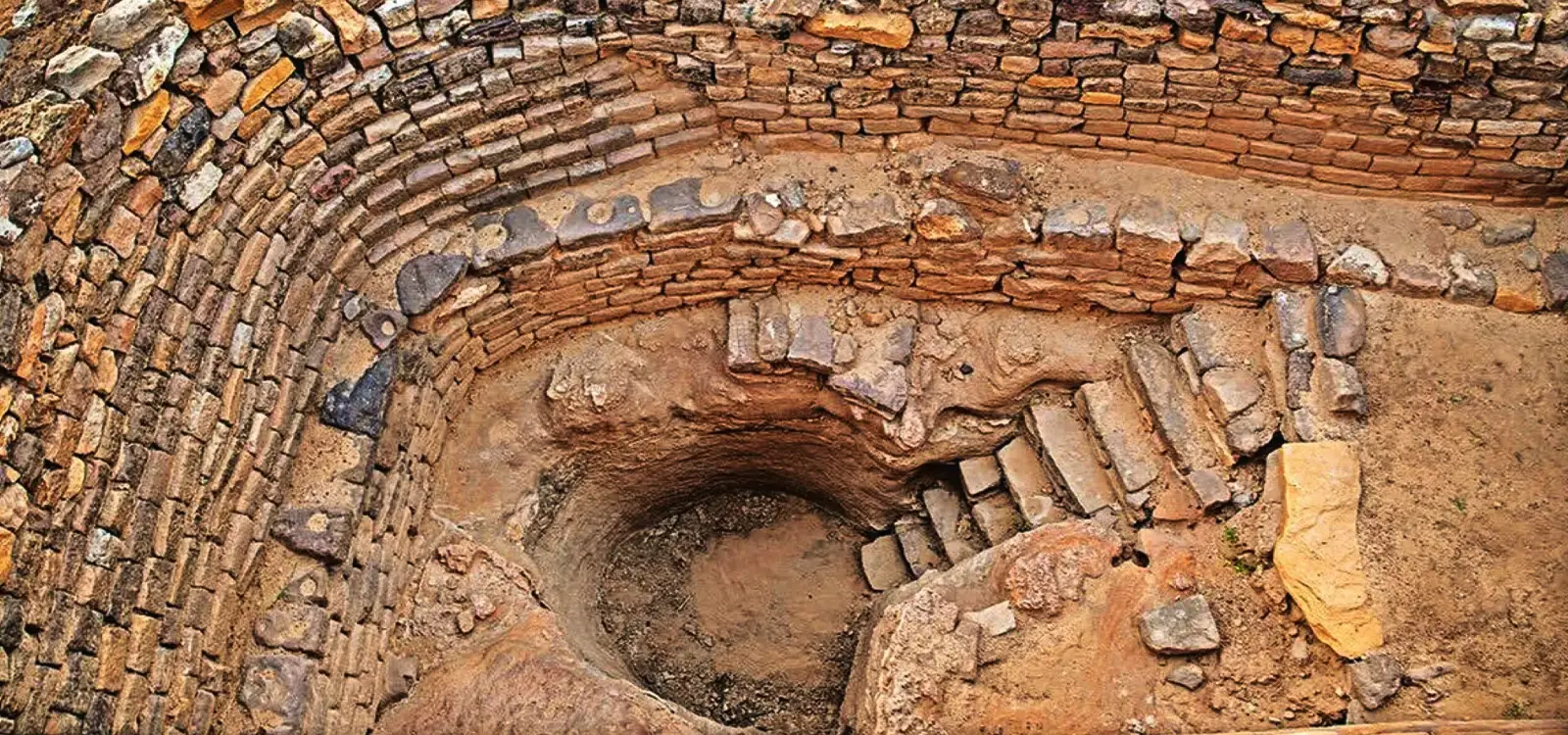
Craftsmanship at Dholavira was not limited to small objects. The city’s built environment itself demonstrates remarkable skill.
Dholavira architecture includes massive fortifications, gateways, reservoirs, residential areas and public spaces constructed extensively with stone masonry. UNESCO notes the city’s carefully planned configuration and understanding of proportions, alignment and construction techniques.
The surviving stone structures make a walk through the site especially rewarding because visitors can still appreciate the scale and organisation of this ancient city.
Metalworking in Dholavira
Metal objects provide another window into Harappan technological knowledge. Archaeological discoveries include copper and bronze objects as well as gold ornaments and other metal artefacts.
Such finds show that Dholavira’s craftspeople understood how to work with different materials for tools, ornaments and practical objects. Metalworking also depended on access to raw materials, linking craft production with wider exchange networks.
The Dholavira Signboard and Harappan Writing
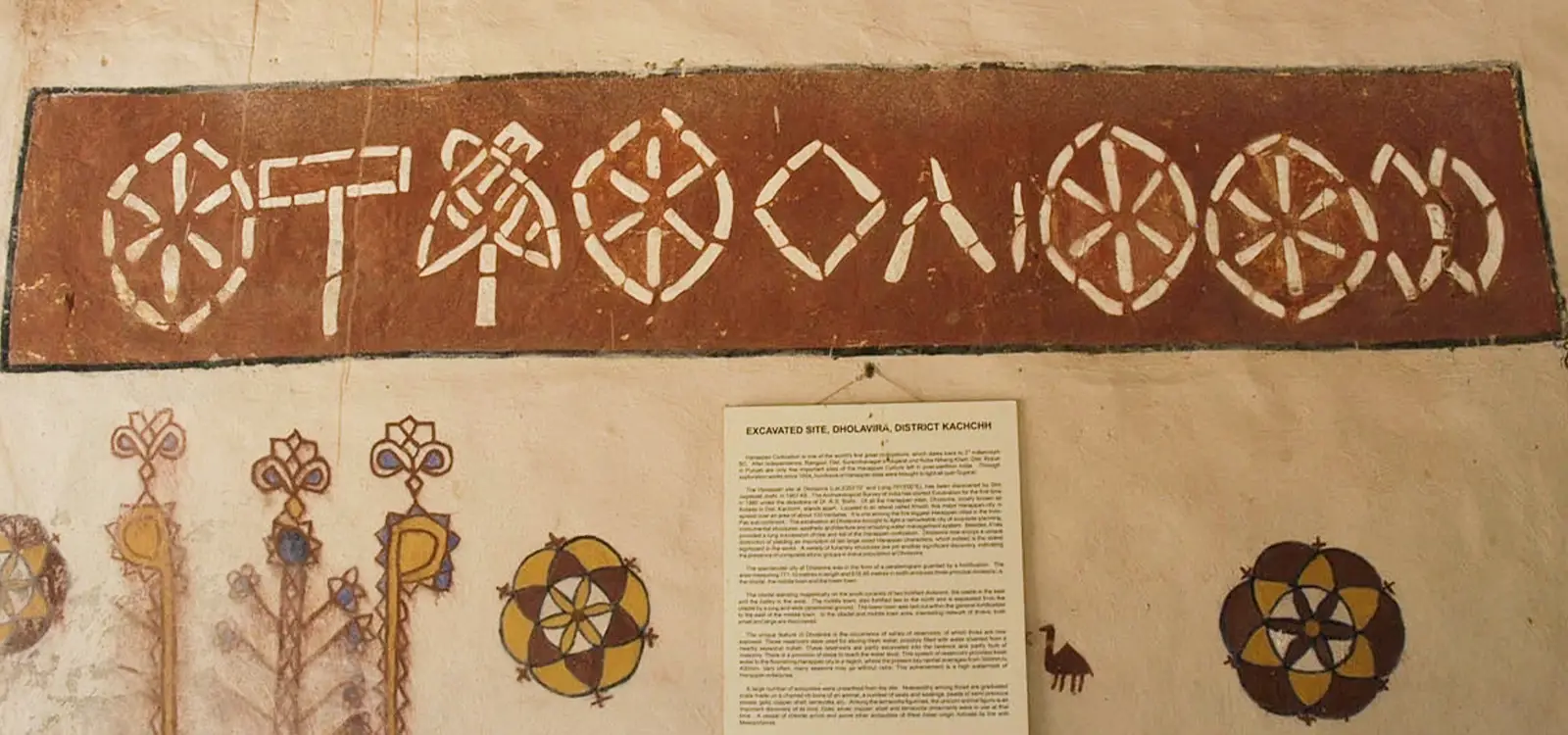
One of the site’s most fascinating discoveries is the Dholavira signboard. Ten large symbols written in the Indus script were discovered near an important gateway, creating what Gujarat Tourism describes as possibly one of the world’s earliest signboards.
Its exact message remains unknown because the Indus script has not been conclusively deciphered. Even so, the unusually large characters suggest that writing was intended to be displayed prominently and may have played an important role in communication within the city.
What Dholavira's Artefacts Tell Us About Harappan Life
Artefacts recovered from the Dholavira archaeological site include beads, pottery, shell objects, jewellery, tools, seals, figurines, copper objects and ivory.
Together, they reveal a society in which artisanship, trade and everyday activities were closely connected. Different materials also suggest specialised knowledge and access to resources beyond the immediate surroundings of the settlement.
Dholavira's Connection to Trade and Craftsmanship
Dholavira’s location helped connect it with wider trade networks. UNESCO records evidence of interregional exchange, while Gujarat Tourism notes imported vessels indicating connections extending towards Mesopotamia.
The site has also yielded an exceptional collection of standardised weights made from numerous raw materials, reinforcing Dholavira’s role in trade and commercial activity.
Craftsmanship, therefore, was not only about local consumption, it formed part of a much larger economic network.
Where Can You Explore Dholavira's Ancient Heritage?
The Dholavira World Heritage Site, inscribed on UNESCO’s World Heritage List in 2021, is the main place to experience this legacy. Visitors can walk through the fortified city and view gateways, reservoirs, residential areas and workshop remains.
The nearby museum displays artefacts discovered during excavation and provides additional context before or after exploring the ruins.
When planning Dholavira sightseeing, allowing time for both the archaeological site and museum makes it easier to understand how the objects once fitted into daily Harappan life.
Stay Near Dholavira's Ancient Heritage
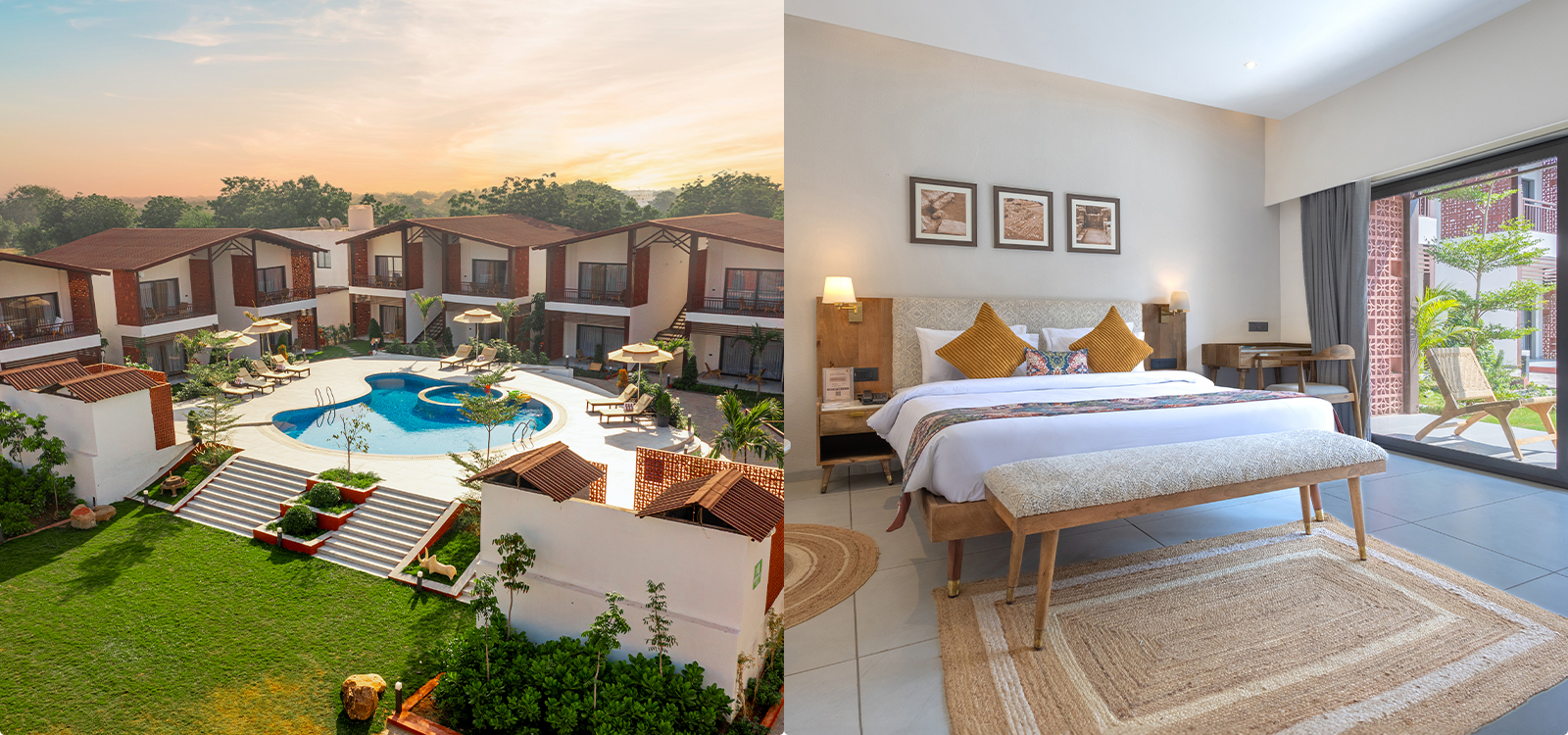
A comfortable stay allows travellers to explore Dholavira without rushing the experience. Evoke Dholavira, located amid the landscape of Khadir Bet, offers 44 aesthetically appointed cottages along with a restaurant, banquet facility and clubhouse.
For travellers comparing options for the Best Resort in Dholavira, location, comfort, dining and convenient access to the area’s heritage attractions are useful factors to consider. Evoke Dholavira provides a premium base from which guests can combine archaeology with the White Rann and surrounding landscapes.
Travellers can also explore a suitable Dholavira tour package depending on their preferred stay duration and experiences.
Conclusion
Dholavira’s crafts tell the story of people who were not only skilled builders but also potters, bead makers, metalworkers, traders and innovators. Every bead, vessel, stone structure and symbol contributes another piece to our understanding of Harappan civilisation.
A visit to Dholavira therefore goes beyond seeing ancient ruins, it offers an opportunity to understand the creativity and technical knowledge of a city that flourished thousands of years ago.
FAQs – Your Questions Answered
Excavations have uncovered pottery, beads, seals, copper and shell objects, gold and semi-precious-stone jewellery, ivory, figurines, tools, workshop remains and the famous Dholavira signboard.
A day can cover the main archaeological site and museum, but a 2-day stay is more comfortable if you also want to experience the White Rann, sunsets and the surrounding Khadir Bet landscape.
Yes. Dholavira combines a UNESCO-recognised archaeological site with distinctive Kutch landscapes and offers a rare opportunity to walk through one of the best-preserved Harappan urban settlements.
The commonly described main urban divisions are the Citadel or Castle area, Middle Town and Lower Town. UNESCO's more detailed description also identifies the attached Bailey and Ceremonial Ground.
Dholavira was occupied approximately between 3000 BCE and 1500 BCE. Its long history preserves evidence spanning different phases of Harappan civilisation.
Look for comfortable accommodation, on-site dining, convenient access to the archaeological site, reliable travel assistance and spaces where you can relax after sightseeing.
Evoke Dholavira is a premium resort on Khadir Bet offering 44 cottages along with dining and leisure facilities, positioned as a convenient base for exploring Dholavira and its surrounding attractions.
Travellers seeking a premium stay can consider Evoke Dholavira, particularly for its cottage accommodation, facilities and proximity to Dholavira's heritage and natural experiences.
The Indus script has not yet been conclusively deciphered. Finds such as the large Dholavira signboard show that a structured system of symbols was used, but the exact language and meaning of individual inscriptions remain uncertain.