





|
Getting your Trinity Audio player ready... |
When we imagine ancient civilizations, we often picture simple huts and unplanned settlements. But the town planning of Harappan civilization tells a very different story. Nearly 4,500 years ago, people of the Indus Valley Civilization were building cities that were clean, organized, and intelligently designed. Their towns followed clear rules, used advanced engineering ideas, and focused strongly on hygiene and water management.
Today, these ancient cities stand among the most remarkable archaeological sites in India, surprising historians, architects, and travelers alike. One such place is Dholavira, now a globally respected UNESCO World Heritage Site – where this advanced urban thinking comes alive. Understanding Harappan town planning not only helps us learn history but also shows why visiting places like Dholavira is such a powerful experience.
What Is Town Planning in the Harappan Civilization?
The town planning of Harappan culture refers to how cities were carefully designed before people settled in them. Unlike many ancient societies that grew randomly over time, Harappan cities were planned from the start.
Archaeologists discovered that these towns followed fixed patterns. Streets were straight, houses were arranged neatly, and public buildings were placed thoughtfully. This level of planning tells us that the Harappans valued order, cleanliness, and community living.
So, how was the town planning of Harappan civilization different? It was scientific, standardized, and surprisingly modern even by today’s standards.
Key Features of Harappan Town Planning
The features of town planning of Harappan civilization reflect a deep understanding of urban life. Some of the most important features include:
Grid Pattern Streets
Harappan cities followed a grid pattern. Streets crossed each other at right angles, forming neat blocks. This made movement easy and helped in proper air circulation.
Well-Planned Drainage System
Every house was connected to covered drains running along the streets. Wastewater flowed smoothly without dirtying the roads. This shows how seriously the Harappans took cleanliness.
Division of the City
Most cities had two main parts:
- The Citadel – a raised area with important buildings.
- The Lower Town – where common people lived.
This division helped manage administration and daily life efficiently.
Uniform Brick Size
Bricks were made in standard sizes across different cities. This uniformity points to strong rules and skilled planning authorities.
These features together make the town planning and architecture of Harappan civilization one of the finest examples of ancient urban design.
Architecture of Harappan Civilization
The architecture went hand in hand with town planning. Harappan houses were built for comfort, safety, and privacy.
Most homes had:
- Courtyards for fresh air
- Bathrooms with proper drains
- Flat roofs
- Thick walls for temperature control
Public buildings like granaries, assembly halls, and dockyards show that these cities were not just residential but also economic and social hubs. The architectural style was simple yet strong, focusing more on function than decoration.

Notable Harappan Sites with Advanced Town Planning
Many cities of the Indus Valley Civilization showcase this advanced planning, but a few stand out:
Harappa & Mohenjo-daro
Known for their grid streets and drainage systems, these cities were among the earliest discoveries.
Lothal
Famous for its dockyard, showing trade planning and maritime knowledge.
Dholavira
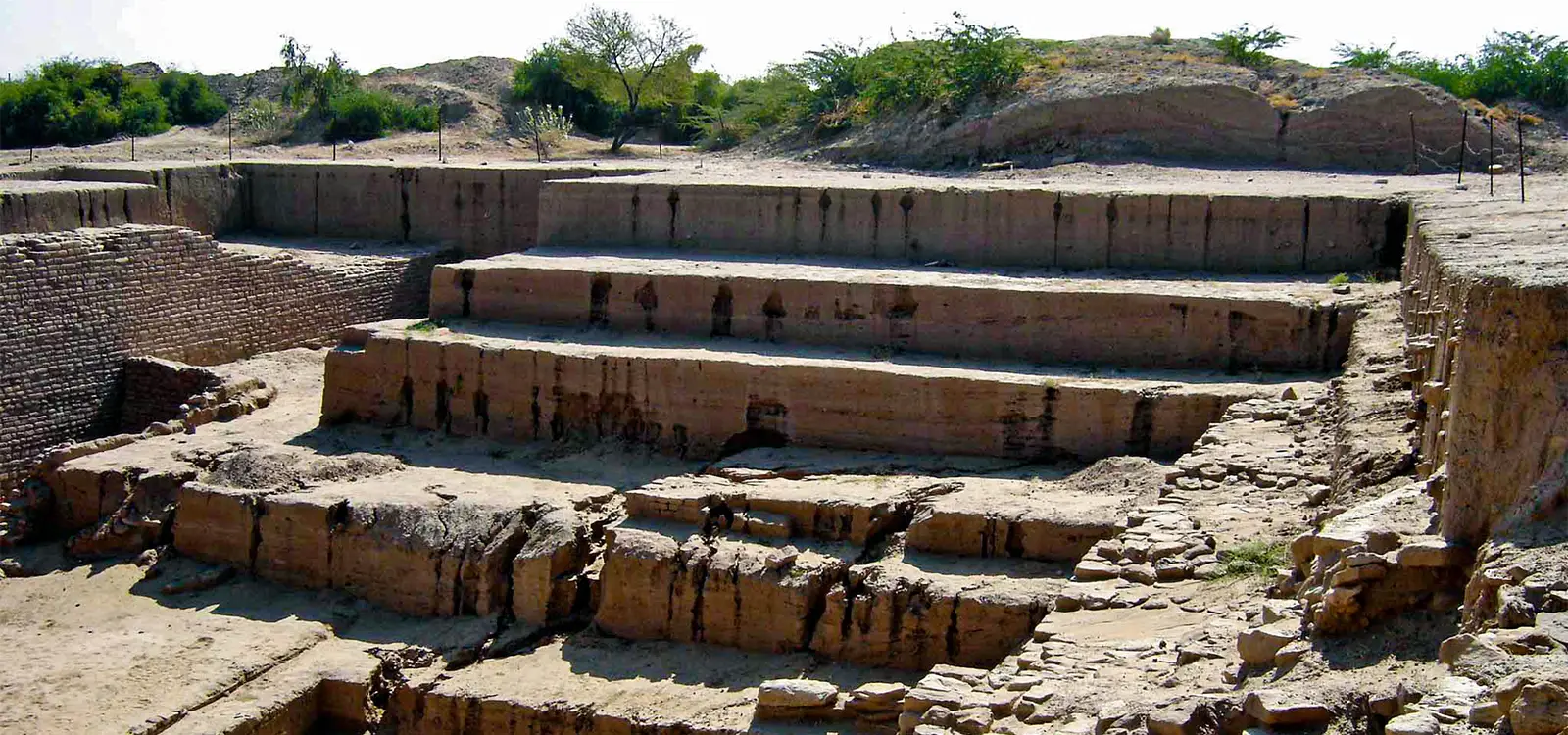
Dholavira is one of the most important archaeological sites in India. Located in Gujarat, it shows all stages of Harappan culture. Its massive water conservation system, reservoirs, and city layout reflect a deep understanding of nature and sustainability.
Today, Dholavira holds the proud status of a UNESCO World Heritage Site, making it a must-visit for history lovers.
Significance of Harappan Town Planning
The town planning of Harappan civilization was not just about buildings, it reflected the values of the society.
Why is it significant?
- Shows strong governance and planning systems.
- Highlights importance of hygiene and health.
- Proves early use of civil engineering.
- Reflects equality, as houses were similar in design.
These cities were built for people, not rulers alone. This focus on community welfare makes Harappan planning truly special.
Comparison with Other Early Civilizations
When compared to civilizations in Egypt or Mesopotamia, Harappan cities stand out.
- Egyptian cities focused around temples and kings.
- Mesopotamian cities grew unevenly.
- Harappan cities were evenly planned with no large palaces.
This comparison makes the town planning of Harappan culture unique and more people-centered than many other ancient societies.
Preservation Efforts & UNESCO Recognition
Many Harappan sites faced damage due to time and weather. However, modern preservation efforts have helped protect them.
Dholavira received UNESCO World Heritage Site status in 2021. This recognition highlights its global importance and encourages responsible tourism.
Visiting such preserved sites helps support conservation while allowing travelers to connect deeply with India’s ancient past.
Why Visit Dholavira Today?
Walking through Dholavira is like stepping into a well-planned ancient city frozen in time. You can see streets, reservoirs, and structures that still make sense today.
Staying nearby allows you to explore calmly, absorb the silence of history, and truly understand Harappan brilliance. A thoughtfully designed stay experience near the site adds comfort without disturbing the heritage.
Evoke Dholavira offers a meaningful way to experience this ancient landscape, where history, culture, and mindful travel come together.
Conclusion
The town planning of Harappan civilization proves that advanced thinking existed thousands of years ago. With grid streets, smart drainage, and strong architecture, these cities were far ahead of their time.
Among all Harappan sites, Dholavira stands tall not just as a ruin, but as a living lesson in sustainable urban planning. Exploring it today is not just educational; it is deeply inspiring.
If ancient wisdom, quiet landscapes, and thoughtful travel excite you, Dholavira deserves a place on your journey.
FAQs – Your Questions Answered
It followed a grid pattern with advanced drainage and standardized construction.
Covered drains connected every house to main street channels.
Yes, most cities shared similar layouts and construction methods.
Absolutely, Dholavira is safe, welcoming, and among the most peaceful Gujarat tourist destinations for couples.
Courtyard houses, uniform bricks, flat roofs, and efficient drainage.
Dholavira in Gujarat holds this status.
For better movement, ventilation, and organized growth.
It shows equality, cleanliness, and strong civic sense.
With baked bricks, inner courtyards, and private sanitation areas.
It inspires modern sustainable and people-focused city planning.
Baked bricks, mud bricks, wood, and stone.